Unveiling Restoration: How Magic Mushrooms Change Lives by Relieving Depression, Anxiety, and Addiction
Current studies emphasize the potential of magic mushrooms in mental health treatment. Psilocybin, the active compound, has exhibited encouraging results in alleviating symptoms of depression, anxiety, and addiction. Clinical trials suggest significant emotional breakthroughs for participants. However, the mechanisms behind these transformations remain largely uninvestigated. Understanding the sophisticated relationship between psilocybin and the brain may uncover deeper insights into its therapeutic effects. What lies beneath this evolving field of copyright therapy?
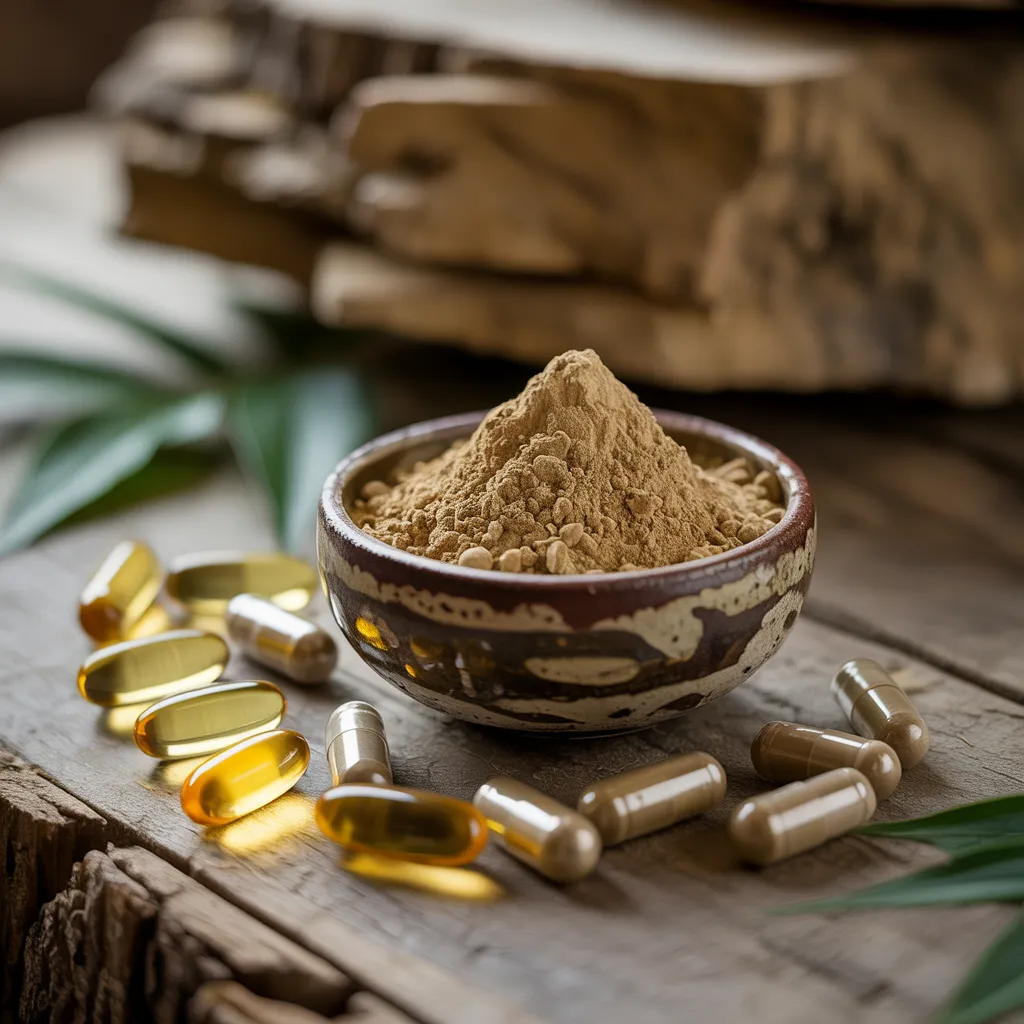
Psilocybin and the Brain: A Scientific Overview
Magic mushrooms contain psilocybin, an active compound that has gained substantial recognition for its influence on brain function. Studies show that psilocybin engages predominantly with serotonin receptors, especially the 5-HT2A subtype, which serves an essential function in regulating mood and perception. This interaction can result in altered states of consciousness, encouraging enhanced emotional processing and cognitive flexibility. Neuroimaging studies reveal that psilocybin creates changes in brain connectivity, allowing previously isolated regions to communicate more effectively. This increased connectivity may support new perspectives and insights, potentially aiding in the resolution of entrenched psychological issues. Furthermore, the compound appears to reduce activity in the default mode network, a brain region associated with self-referential thoughts and rumination. By reducing this activity, psilocybin may enable individuals overcome negative thought patterns, creating possibilities for therapeutic applications. Collectively, the science behind psilocybin emphasizes its potential as a transformative agent in brain function.
Psilocybin Treatment for Depression: A Fresh Hope
Recent research has demonstrated strong scientific proof demonstrating the treatment potential of psilocybin in treating depression. Patient experiences reveal substantial enhancements in mood and well-being after therapy sessions. This groundbreaking treatment presents a new hope for individuals who have struggled with conventional antidepressants.
Scientific Evidence Supporting Psilocybin
As experts continue to examine novel therapies for depression, evidence validating the therapeutic potential of psilocybin has emerged as a promising avenue. Clinical trials demonstrate that psilocybin can produce considerable declines in depressive symptoms. In a landmark study undertaken at Johns Hopkins University, participants experienced prolonged advancements in mood and well-being following psilocybin administration. Similarly, research published in the journal "JAMA Psychiatry" highlighted that psilocybin therapy resulted in a quick and sustained alleviation of depression in patients resistant to traditional treatments. This compound appears to promote profound psychological experiences, empowering individuals to confront and process their emotions. The growing body of scientific literature underscores psilocybin's potential as a revolutionary intervention in mental health care, necessitating further investigation and integration into therapeutic practices.
Patient Outcomes and Testimonials
Hope takes shape as those involved share their profound journeys through psilocybin therapy for depression. A significant number of participants report deep emotional breakthroughs and a newfound sense of clarity. Several mention feelings of interconnectedness and acceptance, allowing them to confront long-avoided traumas. These experiences often lead to sustained changes in mood and behavior, with several participants noting marked reductions in depressive symptoms.
Subsequent evaluations commonly reveal enduring advancements in mental health, with some patients achieving remission from depression for months after treatment. Personal reports underscore the therapy's potential to foster resilience and enhance coping mechanisms. While patient outcomes fluctuate, the collective narratives underscore the prospect of psilocybin therapy as a beacon of hope for those seeking relief from the burdens of depression.
Addressing Anxiousness By means of Mind-Altering Experiences
Though typical therapies frequently deliver some alleviation, numerous individuals experiencing anxiety have sought out copyright experiences, especially those involving magic mushrooms. Studies demonstrates that psilocybin, the active compound in these mushrooms, can induce profound shifts in consciousness, allowing users to confront their anxieties in a fresh light. During these experiences, the ego dissolution often reported enables individuals to separate from their worries, promoting a sense of serenity and acceptance.
Clinical studies suggest that these sessions, when conducted in a controlled environment, can lead to significant reductions in anxiety symptoms. Participants commonly report lasting changes in their perspective, enabling them to address their daily stressors more effectively. Additionally, the mystical experiences associated with psilocybin can encourage emotional breakthroughs, delivering insights that traditional therapies may not achieve. As awareness grows, more individuals are exploring the potential of magic mushrooms as a transformative approach to easing anxiety and elevating overall well-being.
Breaking Free from Addiction: Tales of Transformation
In examining the revolutionary potential of magic mushrooms, personal journeys of recovery demonstrate the deep impact psilocybin can have on addiction. Scientific research further clarify the mechanisms underlying this recovery process, providing hope to those seeking freedom from addiction. Collectively, these narratives and research findings emphasize the hope of psychedelics in overcoming addiction.
Personal Stories of Recovery
Central to personal recovery journeys, where individuals face the shadows of addiction and emerge renewed. Each story discloses a unique path characterized by struggle, resilience, and hope. Some individuals reflect on the overwhelming grip of substances, which dominated their daily lives, resulting in despair. Yet, through multiple methods—therapy, support groups, or the exploration of alternative treatments like magic mushrooms—they found a flicker of light. These experiences often sparked profound insights, enabling them to break down the patterns of dependency. As they explored their emotional landscapes, many found fresh clarity and purpose. Ultimately, these personal journeys illustrate the profound potential for healing, showcasing the transformative power of self-discovery and the strength discovered through vulnerability.
Scientific Insights on Restoration
As experts investigate the mechanisms of healing, the emerging evidence surrounding the therapeutic use of magic mushrooms presents promising insights into overcoming addiction. Studies indicate that psilocybin, the active compound in magic mushrooms, can rewire neural pathways linked to addiction, fostering new behavioral patterns. In controlled settings, participants have reported significant reductions in cravings and a renewed perspective on their substance use. Neuroimaging reveals that psilocybin strengthens emotional processing, allowing individuals to confront underlying issues that fuel addiction. Additionally, anecdotal reports reveal transformative experiences during guided sessions, where users gain profound insights into their behaviors. As the body of research develops, the potential of magic mushrooms as a valuable tool in addiction recovery continues to gain traction within the scientific community.
The Role of Set and Setting in Psilocybin Experiences
Although the results of psilocybin can be significant, the effects of these experiences are significantly affected by the concepts of set and setting. "Set" indicates the individual's mindset, encompassing their thoughts, emotions, and expectations preceding the experience. A positive and open mindset can boost the chance of a constructive experience, while nervousness or fear may lead to challenging encounters.
Conversely, "setting" refers to the physical and social environment in which the psilocybin experience unfolds. A safe, comfortable, and supportive environment can facilitate a sense of safety, allowing individuals to explore their inner thoughts and emotions. Conversely, a unfamiliar or chaotic setting may result in discomfort and confusion, detrimentally influencing the experience.
Understanding the value of set and setting is vital for optimizing the therapeutic potential of psilocybin, as these elements play a critical role in shaping the entire experience and its subsequent effects on well-being.
Individual Stories: Transformative Paths Through Magic Mushrooms
Countless individuals have shared remarkable personal testimonies of their recovery experiences with magic mushrooms, highlighting the profound impact of psilocybin on mental health and emotional well-being. For some people, the experience began as a serious search for relief from severe anxiety and depression. Participants reported feelings of profound connection to their true selves and the universe, often sharing moments of clarity that resulted in significant breakthroughs in understanding their emotional hardships. One individual explained how a single session allowed them to confront and process traumatic experiences, resulting in a renewed sense of peace. Additional participants noted a reduction in obsessive thoughts and a renewed passion for life. Many highlighted the importance of integration, sharing how ongoing therapy helped them assimilate insights acquired during their experiences. These stories highlight the potential of magic mushrooms as a transformative tool in personal healing, promoting resilience and offering hope where standard treatments may have been insufficient.
The Evolving Landscape of copyright Therapy in Mental Health Treatment
With growing recognition of the therapeutic potential of psychedelics, the future of copyright therapy in mental health treatment seems promising. Research keeps revealing the efficacy of substances like psilocybin in treating conditions such as depression, anxiety, and PTSD. As clinical trials produce positive results, regulatory bodies are starting to reevaluate their stance on these compounds, paving the way for potential medical approval.
The incorporation of copyright therapy into conventional mental health care will likely evolve, with trained professionals facilitating supervised experiences that improve therapeutic outcomes. Moreover, there is growing interest in integrating psychedelics with established therapeutic modalities, creating a more holistic approach to mental health treatment.
As societal perceptions shift and education around psychedelics expands, the future promises innovative interventions that could transform mental health care, bringing hope to those who have not found relief through conventional therapies.
Frequently Asked Questions
Are Psilocybin Mushrooms Legal Where I Live?
Magic mushrooms have varying legal statuses across different locations. In some areas, they remain illegal, while others have decriminalized or legalized their use. Consulting local legislation is necessary to obtain accurate and current information.
What Is the Length of Psilocybin's Effects?
The duration of psilocybin effects usually ranges from four to six hours. That said, personal experiences can differ depending on elements including dose level, one's metabolism, and the exact context of use.
Can Psilocybin Be Combined Safely With Other Medications?
Psilocybin may interact negatively with certain medications, especially antidepressants and antipsychotics. Consequently, it is crucial for individuals to consult healthcare professionals before mixing dive in psilocybin with other treatments to guarantee safety and prevent adverse effects.
What Are the Possible Side Effects of Psilocybin?
Possible side effects of psilocybin include nausea, anxiety, paranoia, modified perception, and mood changes. These effects can vary according to dosage, individual physiology, and context of use, necessitating caution and professional guidance during consumption.
Is Psilocybin Therapy Insurance-Covered?
At present, psilocybin therapy is not extensively covered by insurance. As research continues to evolve, some providers may begin offering coverage, but the majority of people still need to pay out-of-pocket for these novel treatment alternatives.